

Buy Dessert Weed Strain Online

Price range: $95.00 through $935.00
Indulgence, Sweetness, And Layered Sensory Pleasures
Dessert Weed Strain
The “Dessert Weed Strain” is not a single genetic identity so much as a category of cultivars bred and curated to evoke confectionery flavors and comforting aromas: think candied fruits, vanilla custard, browned butter, caramel drizzles, chocolate ganache, and citrus glazes. These cultivars emphasize olfactory and gustatory richness, smoothness on the inhale, and a finishing note that lingers like the memory of a favorite pastry.
This product description paints a fresh, detailed portrait of dessert strains: their breeding intentions, organoleptic signatures, visual traits, psychoactive tendencies (descriptive), best consumption techniques, culinary and lifestyle pairings, cultivation priorities, storage guidance, safety considerations, and the reasons they remain prized by enthusiasts.
In the modern world of premium cannabis, few categories have captured the imagination and palates of connoisseurs quite like dessert-inspired genetics. Characterized by rich terpene profiles that evoke notes of freshly baked pastries, sugary confections, ripe berries, and creamy vanilla, these cultivars represent the pinnacle of flavor-focused breeding. At the absolute forefront of this delicious revolution is the Dessert Weed Strain, a masterfully crafted hybrid designed to deliver an unforgettable sensory experience alongside deeply satisfying physical and mental effects.
Genetic Lineage and Breeding Background
The creation of boutique, high-flavor cannabis requires meticulous selection and years of stabilizing preferred traits. The Dessert Weed Strain draws its legendary genetics from a lineage renowned for producing some of the sweetest, most aromatic buds in history.
By combining top-tier parentage—notably crossing cream-forward strains like Cookies ‘N Cream with candy-rich cultivars like Runtz and Sunset Sherbet genetics—breeders created a masterpiece that balances uplifting mental clarity with soothing bodily relaxation.
                 [ Cookies 'N Cream ]  x  [ Runtz ]
                                  |
                                  v
                        [ Dessert Weed Strain ]
Understanding the Lineage
-
Cookies ‘N Cream: Known for its velvety vanilla aroma, high THC content, and smooth, dessert-like smoke.
-
Runtz: Famous worldwide for its sugary candy flavor, vibrant color palette, and balanced hybrid potency.
-
Sherbet Influence: Adds deep berry overtones, subtle citrus zests, and a rich, couch-locking physical baseline.
Is the Dessert Runtz Strain Indica or Sativa?
When exploring popular variations within this genetic family, many consumers frequently ask about the exact hybrid balance: is the dessert runtz strain indica or sativa?
Technically, the dessert runtz strain operates as a slightly indica-dominant hybrid, typically leaning 60% Indica / 40% Sativa. This ideal genetic split ensures that users receive the best of both worlds:
-
The Sativa Spark: A euphoric, uplifting cerebral onset that boosts mood and sparks creativity without triggering jitteriness or racing thoughts.
-
The Indica Hug: A warm, melt-away body high that releases tension from head to toe, promoting deep physical comfort and stress relief.
Visual Appeal & Bag Appeal: Nature’s Eye Candy
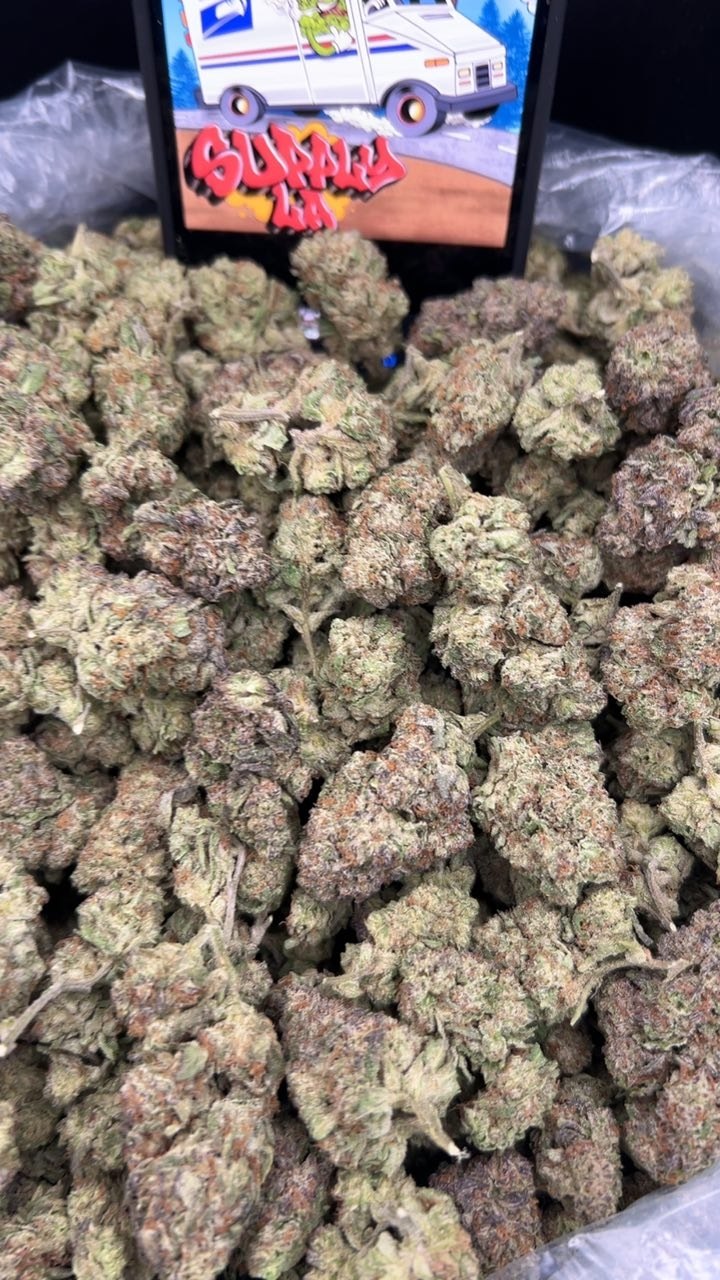
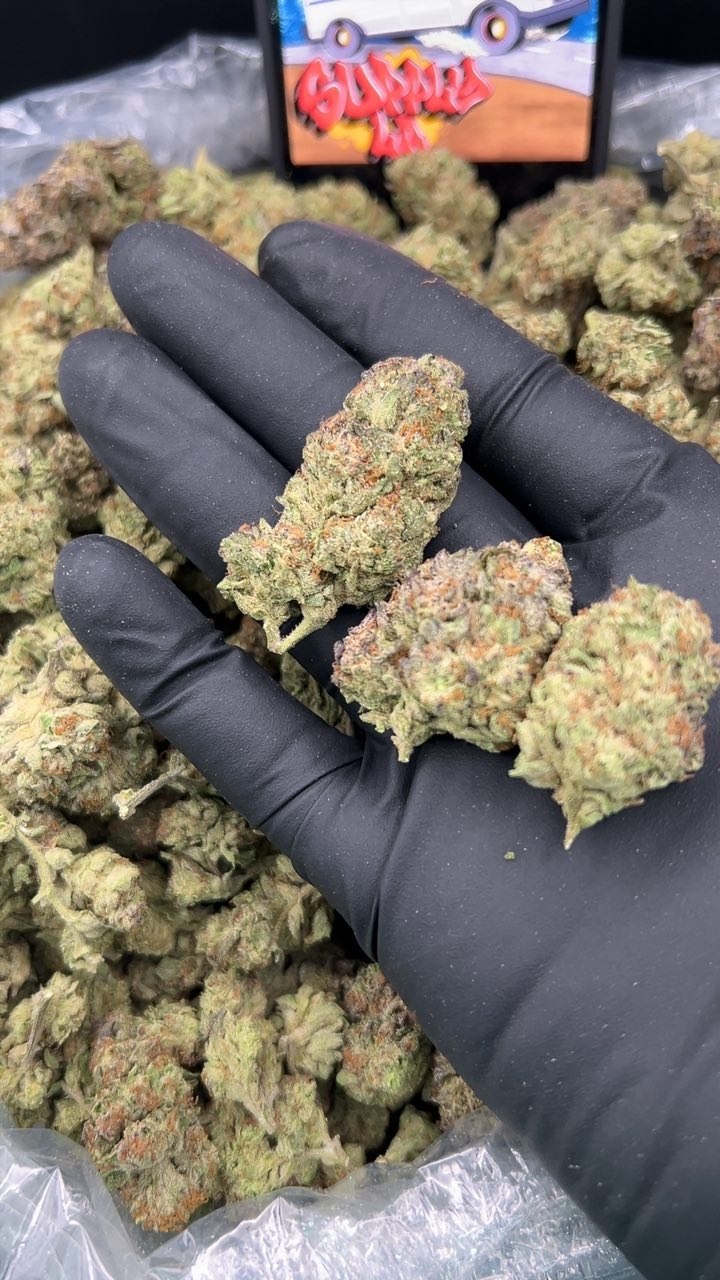
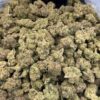
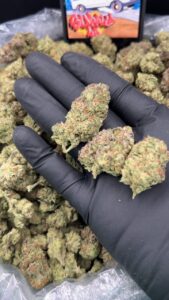
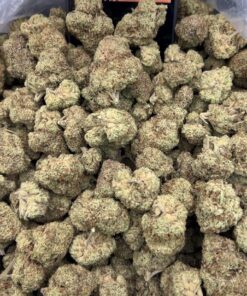
Before you even open the jar, the visual structure of the Dessert Weed Strain commands immediate attention. Known among budtenders for its unmatched “bag appeal,” this flower looks like it was dusted in powdered sugar.
+------------------+----------------------------------------------------+
| Visual Feature   | Description                                        |
+------------------+----------------------------------------------------+
| NUG STRUCTURE    | Dense, pepper-shaped to round, fluffy structures    |
| COLOR PALETTE    | Deep forest green, minty olive, and purple hues   |
| PISTILS          | Fiery copper and amber-orange hairs weaving throughout |
| TRICHOME COVERAGE| Thick, frosty blanket of milky-white crystal heads |
+------------------+----------------------------------------------------+
The dense, tightly packed nuggets exhibit a stunning contrast of dark forest green and bright mint foliage, frequently accented by deep violet and plum highlights that emerge during cooler flowering nights. Weaving through these vibrant calyxes are long, fiery orange and copper pistils that give the buds an electrified look.
The true crowning glory, however, is the trichome coverage. The outer layer of every bud is completely encased in a shimmering sheet of sticky, amber-tinted resin glands. When cracked open, the inner core is so frosty that it literally glitters under light, promising heavy terpene concentration and potent cannabinoid levels.
Terpene Profile & Aromatics: A Symphony of Sweetness
The aroma of this cultivar is complex, intoxicating, and immediately recognizable. As soon as the seal is broken, your room fills with a fragrant blend of rich vanilla, toasted dough, and sweet candy fruitiness.
                       TERPENE PROFILE

        [Caryophyllene] -----> Warm Spice & Anti-Inflammatory
        [Limonene]      -----> Bright Citrus & Mood Elevation
        [Linalool]      -----> Floral Lavender & Deep Calm
        [Myrcene]       -----> Herbal Earth & Physical Relaxation
Dominant Terpenes Breakdown
-
Beta-Caryophyllene: Delivers a warm, spicy undertone that grounds the sweetness while interacting directly with CB2 receptors to reduce bodily tension and inflammation.
-
Limonene: Adds a splash of bright citrus zest and sweet fruitiness, responsible for the immediate sense of happiness and mental uplift upon inhaling.
-
Linalool: Contributes subtle floral and soft lavender notes that round out the sugary creaminess, promoting deep psychological calmness.
-
Myrcene: Gives the flower an underlying earthy richness, supporting a gentle, body-soothing finish.
Flavor Profile: The Gourmet Tasting Notes
Smoking or vaporizing the Dessert Weed Strain is like stepping into a high-end bakery. The flavor translates almost perfectly from its scent, offering a full-spectrum culinary journey across every hit.
Inhale:  Sugary Vanilla Cream ---> Sweet Berry Glaze ---> Nutty Cookie Dough
Exhale:  Smooth Creaminess   ---> Soft Pine & Earth   ---> Warm Spice Finish
-
The Inhale: On the first draw, your tongue is greeted by smooth, sugary vanilla cream paired with notes of candied berries and fresh cookie dough. The smoke is exceptionally velvety, gliding down without harshness or burn.
-
The Mid-Palate: As the vapor rolls over the palate, undertones of rich nuttiness and subtle tropical fruit emerge, reminiscent of classic Runtz genetic lines.
-
The Exhale: On the exhale, the flavor leaves a lingering sweet glaze on the lips, accompanied by a light hint of pine and earthy oak that keeps the taste profile balanced and refined.
Among modern dessert strains, this profile stands out because it avoids artificial aftertastes. Instead, it delivers an authentic, mouthwatering experience that leaves you wanting another puff.

Mind & Body Effects: What to Expect
The experience of consuming this strain is defined by balance, potency, and long-lasting contentment. With THC levels regularly testing between 24% and 30%, this flower is a heavy hitter capable of satisfying veteran smokers while remaining accessible to cautious intermediate users in lighter doses.
PHASE 1: Cerebral Uplift (0 - 15 Mins)
   * Immediate surge of happiness & euphoria
   * Melting away of mental stress & racing thoughts
   * Creative spark & enhanced sensory perception

PHASE 2: Full-Body Relaxation (15 - 90 Mins)
   * Warm physical sensation spreading from neck to toes
   * Muscle tension release without total lock-up
   * Tingling physical comfort and social ease

PHASE 3: Gentle Sunset (90+ Mins)
   * Deep tranquility & contentment
   * Mild munchies and appetite stimulation
   * Peaceful transition into restful relaxation or sleep
The Onset (0–15 Minutes)
The journey begins almost immediately upon inhalation. A wave of warm euphoria washes over the brain, dissolving mental fatigue, worry, and negativity. Colors may appear slightly brighter, music sounds richer, and a quiet, joyful grin often settles across your face.
The Peak (15–90 Minutes)
As the cerebral high stabilizes, the indica lineage begins to take center stage. A soothing tingling sensation cascades down the back of your neck, loosening tight shoulders and easing heavy limbs. Despite the deep physical calm, your mind stays lucid and happy, making it ideal for relaxing conversations, streaming movies, or enjoying music.
The Come Down
As the high gently tapers off, a wave of cozy drowsiness settles in. You’ll likely feel a moderate appetite boost—making it a great prelude to dinner or late-night snacks—followed by a smooth transition toward restful sleep.
How It Compares to Other Popular Strains
To truly appreciate what makes this flower special, it helps to compare it to other top-tier options in the sweet/dessert category.
+-------------------------+----------------------+--------------------+---------------------+
| Strain Name             | Flavor Highlights    | Dominant Effect    | THC Level           |
+-------------------------+----------------------+--------------------+---------------------+
| Dessert Weed Strain     | Cream, Vanilla, Berry| Balanced Euphoria  | 24% - 30%           |
| Dessert Runtz           | Sugary Candy, Nutty  | Slightly Sedating  | 25% - 29%           |
| Gelato #33              | Sweet Citrus, Earth  | Creative & Focused | 20% - 25%           |
| Better Than Dessert     | Chem Fuel, Sherbet   | Deep Body Melt     | 22% - 28%           |
+-------------------------+----------------------+--------------------+---------------------+
While traditional candy strains focus almost exclusively on sugary sweetness, the Dessert Weed Strain balances that sugar with rich, buttery creaminess and an earthy backbone. Furthermore, when stacked against boutique hybrids like the Better Than Dessert Strain, this variety offers a smoother smoke with less harsh gas, making it far more palatable for those who prefer sweet, smooth flavors.
Therapeutic Potential & Medical Applications
Beyond its incredible flavor and recreational appeal, the Dessert Weed Strain possesses a rich cannabinoid and terpene profile that makes it a powerful choice for medical cannabis patients.
[ Mental Health ]   ---->   Helps manage Anxiety, Stress, & Depression
[ Physical Body ]   ---->   Eases Muscle Spasms, Chronic Pain, & Tension
[ Digestive ]       ---->   Stimulates Appetite & Reduces Nausea
[ Nighttime ]       ---->   Promotes Natural, Restful Sleep
Key Medicinal Uses
-
Stress & Anxiety Relief: The high concentration of Limonene and Linalool works synergistically to calm an overactive nervous system, helping users manage daily stress and generalized anxiety.
-
Pain & Inflammation Management: Driven by Beta-Caryophyllene, this strain offers effective relief for chronic pain, backaches, joint stiffness, and tension headaches.
-
Appetite Stimulation: Patients struggling with appetite loss due to medical treatments or gastrointestinal issues will appreciate the natural, pleasant munchies this strain encourages.
-
Insomnia Support: When consumed in slightly higher doses later in the evening, the physical relaxation eases body restlessness, allowing users to drift off naturally without the hangover effect of pharmaceutical sleep aids.
Cultivation Guide: Growing the Dessert Weed Strain
For growers, cultivating this strain is a rewarding endeavor. While it requires some attention to humidity and canopy management due to its dense bud structure, the resulting yields and top-shelf quality make it worth every effort.
+---------------------+----------------------------------------------------+
| Growing Requirement | Optimal Parameters                                 |
+---------------------+----------------------------------------------------+
| DIFFICULTY          | Moderate / Intermediate                            |
| INDOOR FLOWER TIME  | 8 to 9 Weeks (56 - 63 Days)                        |
| OUTDOOR HARVEST     | Early to Mid-October                               |
| INDOOR YIELD        | 450 - 550 g/m²                                     |
| OUTDOOR YIELD       | 600g+ per plant                                    |
| IDEAL TEMP RANGE    | 70°F - 82°F (21°C - 28°C)                          |
| RH (FLOWERING)      | 40% - 50% (Lower during late bloom)                |
+---------------------+----------------------------------------------------+
Environmental Conditions & Care Tips
-
Climate: Thrives in warm, Mediterranean-style climates. If growing indoors, keep daytime temperatures around 72°F to 80°F and night temps around 65°F to 70°F.
-
Humidity Control: Because the buds grow extremely thick and dense, maintaining low relative humidity (40–45%) during the final three weeks of flowering is critical to prevent bud rot or powdery mildew.
-
Training Techniques: Responds exceptionally well to SCROG (Screen of Green) and Topping early in vegetative growth. This creates multiple main cola sites and ensures light penetrates evenly throughout the canopy.
-
Flushing for Flavor: To maximize the sweet, creamy terpene production, give the plants a thorough 10 to 14-day flush with pure, pH-balanced water before harvest. This removes residual mineral salts and ensures the cleanest, smoothest burn possible.
Optimal Consumption Methods & Consumption Tips
To get the absolute best out of your flower, how you consume it matters. Here are the recommended ways to enjoy this delicious cultivar:
[ Dry Herb Vaporizer ] ---> Best for pure flavor preservation (350°F - 380°F)
[ Hand-Rolled Joints ]  ---> Ideal for slow, smooth burning and sharing
[ Glass Clean Beakers ] ---> Recommended for fast, potent hits with clean water filtration
-
Dry Herb Vaporization (350°F – 375°F): Vaporizing at lower temperatures preserves the delicate Linalool and Limonene terpenes, giving you the purest taste of vanilla cream and berries.
-
Unbleached Hemp Papers: If you prefer rolling joints, use thin, unbleached hemp papers. Standard papers can overpower the subtle bakery notes of the flower.
-
Clean Glass: Always use clean glassware! Old resin in a pipe or bong will mask the intricate flavor profile that makes this strain so special.
Ideal Pairings: Elevate the Experience
Treating cannabis like fine wine is the new standard, and the Dessert Weed Strain pairs effortlessly with food, drinks, and activities.
-
Beverage Pairings:
-
Cold Brew Coffee with Oat Milk (highlights the vanilla and nutty undertones)
-
Sparkling Berry Water (amplifies the fruity terpene notes)
-
Herbal Chamomile Tea (complements the soothing evening effects)
-
-
Food Pairings:
-
Dark chocolate lava cake or artisanal fruit tarts
-
Fresh charcuterie board with mild cheeses and figs
-
-
Activity Pairings:
-
Stargazing or listening to vinyl records on a quiet night
-
Board game nights or cozy movie marathons with close friends
-
Why You Need the Dessert Weed Strain in Your Collection
In an over-saturated market filled with generic hybrids, the Dessert Weed Strain stands as a shining example of what happens when world-class breeding meets legendary flavor profiles. It delivers everything top-shelf cannabis should:
-
Stunning Visuals: Dense, frosty buds coated in shimmering trichomes.
-
World-Class Taste: A bakery-inspired blend of vanilla, berries, and smooth creaminess.
-
Versatile High: A harmonious blend of cerebral euphoria and body-soothing relaxation.
-
Potent Medical Relief: Effective against stress, chronic pain, appetite loss, and anxiety.
Whether you are already a fan of varieties like the dessert runtz strain, curious about dessert runtz strain indica or sativa characteristics, exploring exotic dessert strains, or comparing it to elite choices like the Better Than Dessert Strain, this top-tier flower delivers an unforgettable experience from the moment you open the jar to the final exhale.
Treat yourself to the luxury you deserve and elevate your stash box today with the incomparable Dessert Weed Strain!
Aroma and Flavor: A Layered Palate Dessert strains are celebrated for their aromatic opulence. Their scent profiles are complex and often evolve from the jar to the palate:
- Top Notes (Immediate): These are the fast-hitting scents—bright, sugary, and reminiscent of candied fruits or citrus zest. Imagine the first sniff of a jar that smells like fresh strawberry jam, lemon curd, or candied orange peel. These initial notes are typically driven by terpenes like limonene and certain fruity esters.
- Mid Notes (Core): As the bouquet settles and you take a draw, creamier, bakery-like characters appear. Vanilla custard, buttered shortbread, whipped cream, and gelato-like smoothness create a satisfying middle that softens the initial brightness. Linalool and certain alcohol-based terpenes often underlie these tones.
- Base Notes (Finish): The aftertaste grounds the experience—warm spices, toasted nuts, mild earth, or a lingering caramelized sugar finish. Caryophyllene and humulene play into these deeper savory or spice elements, preventing the overall profile from becoming fleetingly sweet and shallow.
Flavor textures matter as much as notes: dessert strains frequently deliver a silky mouthfeel, a syrupy mid-palate, and a slow, pleasing fade. The best examples reward slow tasting—small draws reveal different facets across minutes, much like savoring a layered dessert.
Appearance and Bud Morphology Visually, dessert cultivars are made to attract. Growers prize phenotypes that present:
- Dense, cushiony buds with a squishy, resinous feel.
- Color diversity—bright floral greens, pastel pistils, and purples that bloom under cool night cycles.
- A heavy veil of trichomes that gives a sugared or frosted look; under light, the buds can appear as if dusted with icing sugar.
- Contrasting pistil colors—peach, coral, or rose—that reinforce the confection theme.
- A slightly tacky surface, indicative of terpene-rich resin, without being damp or improperly cured.
Consumers often equate visual richness with sensory promise; dessert strains rarely disappoint in presentation.
Chemical and Terpene Character (Descriptive) While lab numbers vary widely across breeders and batches, the hallmark of dessert types is a terpene-forward chemistry. THC levels cover a broad range some offerings are moderate and balanced, others push toward high-potency territory. CBD is typically low but niche breeders occasionally emphasize fuller cannabinoid spectra for novel effects.
Key terpenes and their roles:
- Linalool: Floral-lavender and subtly creamy—adds a soothing aromatic velvet.
- Limonene: Bright citrus lift—gives candy-like freshness and an immediate nose-tingle.
- Myrcene: Fruity, musky undertone—smooths the palate and can contribute to relaxed sensations.
- Caryophyllene: Peppery, baking-spice depth—helps anchor sweetness with savory counterpoints.
- Humulene: Earthy, woody spice—adds structure and complexity.
- Terpinolene/ocimene: Light herbal-fruity lift—introduces a green or tea-like edge in certain dessert phenos.
The interplay of these compounds creates the “dessert” character: sugar and fruit at the forefront, cream and butter in the mid, and spice/earth in the finish.
Psychoactive and Sensory Experience Dessert strains generally aim for a pleasurable, often balanced psychoactive arc. While individual responses differ, many users report:
- Initial uplift and mood enhancement—an airy cheer or light euphoria that feels like the bright top notes of the strain.
- Increasing physical ease—muscle tension softens and the body adopts a comfortable, settled state without immediate heavy sedation.
- Sustained sensory appreciation—heightened attention to music, food, or visual art, with flavors feeling more vivid.
- Variable sedative tendencies—some dessert phenotypes lean toward energetic and creative, while others, particularly high-cannabinoid indicas, progress toward couch-friendly relaxation in higher doses.
For those seeking functional enjoyment—socializing, casual creativity, cooking, or mindful relaxation—dessert strains offer an appealing middle ground between stimulant-like sativas and deeply sedating indicas.
Optimal Consumption Methods Preserving the nuanced aromatic profile should be the priority when choosing consumption methods:
- Low-to-mid temperature vaporizers: These devices release volatile terpenes without burning them off, providing clean, nuanced flavor and reduced throat irritation.
- Dry herb vaporizers and glassware: A well-calibrated desktop vape or a clean, borosilicate piece allows layered tasting and a fuller appreciation of the strain’s texture.
- Concentrates: Live resins, rosin, and terpene-rich extracts capture dessert strain flavors in an intensified form—ideal for experienced consumers seeking maximal taste.
- Smoking: Joints and bowls deliver a different experience—combustion caramelizes sugars and brings out darker, toasted notes akin to baked crusts. Slow, measured draws let users parse flavors without overwhelming harshness.
- Infusions/edibles: When terpenes are preserved in extraction, dessert strains lend themselves to edible confections; however, cooking can transform terpene expression—expect a different but complementary experience.
Culinary and Lifestyle Pairings Dessert strains invite pairing mindsets similar to wine or coffee tastings. Thoughtful matches heighten the sensory event:
- Food: Fresh berries, shortbread, crème fraîche, panna cotta, dark chocolate, toasted almonds, or citrus tarts mirror and contrast the strain’s flavor layers.
- Drinks: Sparkling water with lemon peel, herbal teas (chamomile, hibiscus), rosé wine, or light dessert wines can pair beautifully. For nonalcoholic pairings, berry sodas or kombucha broaden palate interplay.
- Activities: Low-key social evenings, listening to layered music genres, sketching, tasting menus, or slow walks in botanical settings complement the strain’s gentle encouragement of sensory awareness.
- Rituals: Pre-session preparation—a small plate, temperature-controlled vaporizer, ambient lighting, and a curated playlist—transforms consumption into a mini-ceremony.
Cultivation Priorities for Quality Dessert Phenotypes Crafting dessert strains that deliver on aroma requires deliberate practices:
- Stable environmental controls during flower to foster terpene synthesis.
- Slow, carefully controlled drying and multi-week curing to preserve volatile compounds and develop flavor depth.
- Hand trimming to avoid bruising delicate trichomes and to protect aromatic leaves.
- Selecting harvest windows by scent and trichome clarity rather than THC peak alone terpenes degrade rapidly post-peak if timing is off.
- Nighttime temperature dips during late flower to accentuate anthocyanin expression, which deepens color and can subtly influence terpene expression.
Small-batch cultivation and artisanal curing often yield the most expressive dessert offerings.
Where To Buy Dessert Runtz Strain Indica Or Sativa
Packaging, Presentation, and Transparency Dessert strains often come in packaging that reflects their sensory message pastel hues, pastry motifs, and tasting notes. Beyond aesthetics, savvy consumers look for:
- Lab reports showing cannabinoid and terpene assays.
- Harvest and cure dates to gauge freshness.
- Grow method details (indoor, greenhouse, or outdoor) and breeder notes about phenotype traits.
- Clearly labeled recommendations for consumption and storage.
Transparency not only builds trust but ensures the sensory promise is more likely to be realized.
Storage and Preservation To maintain aromatic integrity:
- Store in airtight, opaque containers at cool, stable temperatures.
- Use humidity control packets (typically 55–62% RH) to retain texture without inviting mold growth.
- Minimize headspace exposure and avoid frequent opening.
- Keep away from sunlight and heat sources which degrade terpenes and cannabinoids.
- For concentrates, refrigeration or cool dry storage is recommended to protect volatile terpenes.
Safety, Responsibility, and Legal Notes Dessert strains follow the same safety guidance as other cannabis products:
- Start with modest doses and increase gradually to gauge individual sensitivity.
- Avoid driving or operating heavy machinery while intoxicated.
- Be cautious combining with alcohol or prescription medications—consult medical professionals if unsure.
- Store securely away from children and pets; label clearly.
- Adhere to local laws and regulations regarding possession and consumption.
Market Appeal and Use Cases Dessert strains enjoy broad appeal for reasons beyond flavor. They function as:
- Lifestyle products that enhance ritual and hospitality—shared tastings at small gatherings or solo moments of sensory appreciation.
- Creative aids for those who appreciate a relaxed, gently inspired headspace.
- Culinary companions that pair naturally with specific desserts or beverages.
- Showcase cultivars that allow growers to demonstrate terpene preservation and craft.
Consumer narratives often highlight how dessert strains transform ordinary routines into delightful sensory pauses an evening snack becomes a curated tasting; a music session becomes more vivid.
Variations Within the Dessert Category Because “dessert” is an umbrella, expect diversity:
- Fruit-forward desserts: Strawberries, blueberries, citrus curds.
- Bakery desserts: Cookies, cake, shortbread, brown butter.
- Creamy desserts: Gelato, panna cotta, custard, vanilla bean.
- Sweet-spicy desserts: Caramelized sugar, cinnamon, nutmeg edges.
Phenotype-specific offerings and single-phenotype runs provide the most consistent expectations for buyers seeking a repeatable experience.
Final Thoughts
Dessert Runtz Strain reframe cannabis as a multisensory craft: the emphasis is on aroma complexity, flavorful depth, and an enjoyable psychoactive arc that supports socializing, creativity, or contemplative relaxation. When sourced from attentive cultivators who prioritize terpene preservation and proper curing, dessert strains reward mindful consumption with a layered experience that mirrors the pleasure of a well-composed dessert sweet, textured, and deeply satisfying.
Choose transparently labeled products, respect dosing, and treat each session as a tasting: slow, observant, and receptive to subtle shifts. The result is cannabis that not only alters mood but elevates the act of enjoyment itself.
| Prices & Quantities | Half An Ounce, Ounce, Quarter Pound, Half Pound, Pound |
|---|
Be the first to review “Buy Dessert Weed Strain Online”
Related products
Pre Rolls And Flowers

Pre Rolls And Flowers


Pre Rolls And Flowers
Pre Rolls And Flowers
Pre Rolls And Flowers


Pre Rolls And Flowers


Pre Rolls And Flowers

Pre Rolls And Flowers
Reviews
There are no reviews yet.